
Abuse and trauma
Trauma counselling to help you heal and move forward
Do you feel like you’re:
- Stuck in patterns of fear, anxiety, or self-doubt
- Disconnected from yourself or your body
- Constantly in survival mode
- Always feeling on guard
Whether it happened recently or many years ago, abuse or other traumatic experiences can leave you feeling as though your sense of safety has been shaken or lost. I offer counselling using Clinical EFT, also known as EFT tapping, to help you work through those effects, including post-traumatic stress (PTSD).

How trauma keeps you stuck
Traumatic experiences can still affect you physically, even when you’re not consciously thinking about them. You may have been frightened, overwhelmed or unable to protect yourself. Perhaps you felt alone, with no one to turn to. Your body responded to get you through it.
Sometimes those reactions can continue after the danger has passed. Even years later, you may tense up, shut down or feel afraid when something reminds you of what happened, without necessarily realising what brought on your body’s reaction.
This can affect how safe you feel, how you see yourself and how you relate to other people. You might feel constantly on edge, find it hard to trust, or feel numb and disconnected. It can be exhausting, especially when you feel you should be over it by now.

Physical or sexual abuse
Physical abuse and sexual abuse are often deeply remembered by the body, even when the events are long in the past.
You may notice:
- Ongoing emotional distress
- Unexplained physical sensations or pain
- Feelings of worthlessness or hopelessness
- Difficulty trusting others
- Feeling disconnected from people
- Heightened fear or feeling constantly on guard
Complex trauma
Complex trauma develops through repeated or long-term abuse, neglect, or harmful experiences, often beginning in childhood or within ongoing relationships.
Rather than a single event, complex trauma reflects the cumulative impact of serious, ongoing stress on the nervous system. Some people develop complex post-traumatic stress disorder (C-PTSD) following these experiences.
You may notice:
- Difficulty regulating emotions
- A persistent sense of emptiness or disconnection
- Shame, self-blame, or feeling damaged or unworthy
- Anger, mistrust, or withdrawal from others
Emotional and psychological abuse
Emotional and psychological abuse can be deeply damaging, particularly because it often happens over time and can be harder to recognise. This may include patterns of control, manipulation, criticism, humiliation, or emotional neglect. You may notice:
- Persistent self-doubt
- Anxiety or emotional overwhelm
- Feeling numb or disconnected
- Difficulty trusting your own thoughts or feelings
Traumatic loss and complicated grief
Loss can sometimes be traumatic, particularly when it is sudden or unexpected, or when the circumstances surrounding it are especially distressing. Complicated grief can also leave you feeling stuck in intense emotions that don’t seem to ease with time.
You may notice:
- Feeling shocked, numb or disoriented
- Waves of sadness, anger, guilt, or confusion
- Difficulty making decisions or managing daily tasks
- Fatigue or exhaustion
- Physical aches and pains

Trauma FAQs
What is trauma?
Trauma happens when something overwhelms your ability to cope. In response, your nervous system shifts into protection mode and can remain on high alert.
Even when an event is long in the past, the body can continue to respond as if the threat is still present. This can affect emotions, thoughts, and physical sensations, making it hard to feel at ease or safe in everyday life.
What’s the difference between trauma and PTSD?
Trauma refers to the lasting impact of an overwhelming or harmful experience.
PTSD, or post-traumatic stress disorder, is a condition that can develop after trauma. Symptoms can include flashbacks, nightmares, avoiding reminders of what happened and feeling constantly on alert. These symptoms persist over time. Not everyone who experiences trauma though develops PTSD, but the effects of trauma can still be distressing and interfere with everyday life.
Can trauma from years ago still affect me?
Yes. Trauma responses can persist long after the experience.
When an experience hasn’t been fully processed, the nervous system can continue to react as if the threat is still present. This is why trauma can affect how you feel, think, and respond long after the event has passed, even when you know consciously that you’re safe now.
Is it safe to work on trauma using these methods?
Yes. I use the trauma-sensitive Gentle Techniques within Clinical EFT to help you process traumatic memories and release their emotional hold on you, without you needing to share more than you’re comfortable with.
You’re always in charge of what feels right to share, and we move only at a pace that feels safe for you.
What if I can’t remember everything that happened?
That’s okay. You don’t need to remember every detail for the work to be effective. We can work with the feelings and physical sensations you’re experiencing now.
How long does trauma recovery take?
Everyone’s journey is different.
Some people notice changes quickly, while others take more time as their nervous system learns it is safe again.
Counselling and therapy for abuse and trauma
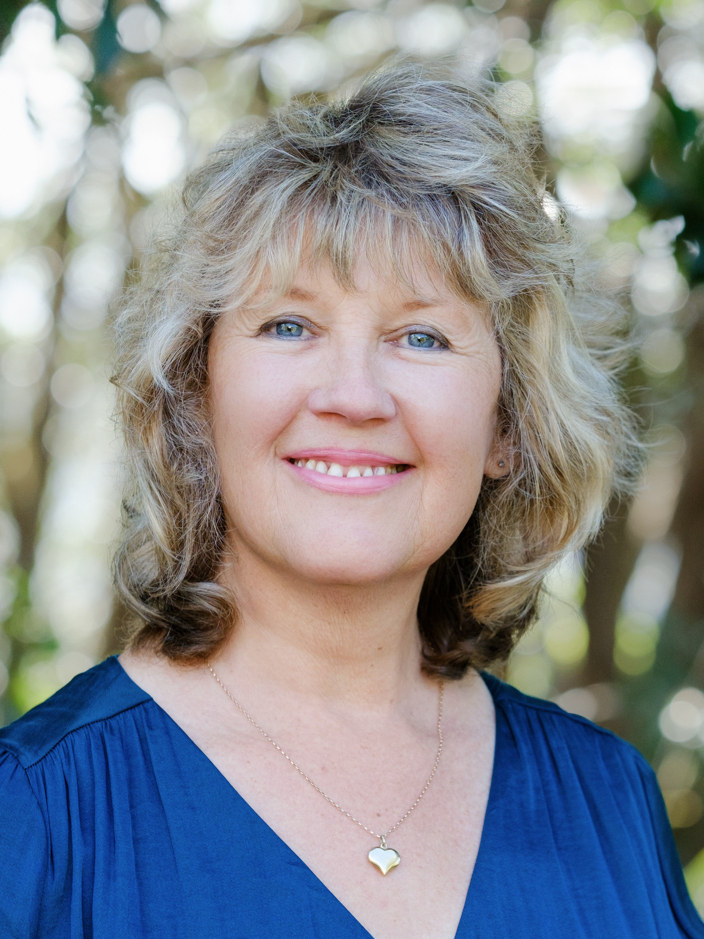
I’m Heather Todd, a Holistic Counsellor based in Wellington. I offer trauma counselling and support for people across New Zealand, Australia and beyond who are working through the effects of abuse, traumatic experiences, complicated grief, and other emotional wounds.
Through online counselling and therapy sessions, I create a compassionate, supportive space where you can process what you’ve been through.
Together, our work can support you to:
- Regulate your nervous system
- Gently release stored emotional pain
- Strengthen emotional resilience
- Shift patterns and responses that no longer feel helpful
Evidence-based, trauma-sensitive support
The tools I use in sessions are evidence-based, gentle, and trauma-informed. They work with both the body and the nervous system to support meaningful change.

Clinical EFT (Emotional Freedom Techniques)
An evidence-based approach that can help reduce the emotional intensity associated with traumatic experiences, while supporting nervous system regulation.

HeartMath® techniques
Simple, science-backed strategies that help regulate your nervous system and bring about emotional balance. They support you to stay present and clear-headed, even when your mind feels busy or overwhelmed.

Energy Psychology
An integrative approach that helps you understand and work through emotional experiences using mind-body awareness and gentle, evidence-informed techniques to support deep, lasting change.
This journey is easier when it’s shared
Healing from abuse or trauma takes courage, but you don’t have to do it alone. Whether you’re working through the long-lasting effects of childhood trauma, relationship wounds, or grief complicated by traumatic experiences, I’m here to offer gentle support using tools that honour where you are now and where you want to go. Online counselling and therapy sessions are available across New Zealand, Australia, and beyond. In-person HeartMath® sessions are also available in Lower Hutt.
Book your free 15-minute consultation
Let’s talk about what’s been going on for you and whether working together feels like the right next step.
