Narcissistic abuse
It’s not your fault
How many of these feel like you?
- Constantly confused or unsure about your thoughts, feelings, or perceptions because someone keeps telling you that they are all wrong
- Like you can’t do anything right no matter how hard you try
- Chronically fatigued, anxious, or depressed because it feels impossible to please them, or meet constantly shifting expectations
- Unworthy, unlovable, or incompetent because someone keeps belittling you
- Cut off from friends, family or support systems because someone else is controlling who you can and can’t visit or talk to
Narcissistic abuse can leave you feeling drained, confused, and like you’ve lost a part of yourself. The person who is responsible may be a partner, family member, friend, or colleague. No matter who it is, the impact on you can be profound.
You may have spent so long walking on eggshells, second-guessing yourself, and trying to keep the peace that you’re no longer sure who you are.
Here’s the truth. It’s not your fault, and you can heal.
What is narcissistic abuse?
Narcissistic abuse is a form of emotional and psychological manipulation that can occur in relationships with people who display narcissistic traits.
This abuse can involve some or all of the behaviour patterns described below.
Gaslighting
Gaslighting is a manipulative tactic used to confuse and control a victim by making them question their own perceptions, memories, and even their sanity.
This may include statements like “You’re imagining things” or “You’re too sensitive”, or denying events even when there is clear evidence.
Emotional neglect
The abuser doesn’t meet the victim’s emotional needs. As a result, the victim feels isolated and unworthy, and struggles to make healthy connections with other people.
Manipulation
Manipulation is the use of mental distortion and emotional exploitation to influence and control another person.
In other words, the abuser distorts reality and emotions to maintain control and power.
Criticism
The criticising abuser makes constant verbal attacks on a victim’s character or personality. For example, “You never do anything right” or “You’re always selfish” or “You don’t care about me” or “You’ll never survive without me.”
Blame-shifting
When blame-shifting, the abuser avoids responsibility for their actions or behaviours by putting the blame onto their victim.
They may twist facts or send the victim on a guilt trip, instead of taking responsibility for what they have done.

What narcissistic abuse looks like
Narcissistic abuse is insidious. It often starts slowly and builds gradually. Over time the victim comes to believe that their abuser’s abnormal behaviour is normal. Because the behaviour escalates gradually, it can be difficult to recognise what’s happening until significant harm has occurred.
If the victim does start to question what’s going on, the abuser uses the tactics listed above to keep the victim in line. Over time the victim tends to:
- Lose self-esteem and confidence
- Feel like they walk on eggshells all day long
- Feel small, powerless, and like their needs don’t matter
The most damaging aspects of narcissistic abuse are the abuser’s:
- Lack of empathy
- Constant need for admiration
- Sense of entitlement
If any of this resonates with you, you’re not alone. Many people find themselves trapped in these patterns for months or years before they start to recognise what’s happening and how hard it’s been.

Impacts and effects
Many people who experienced narcissistic abuse have told me they felt like a shell of the person they used to be.
Beyond numbness or shutdown, narcissistic abuse can affect many areas of emotional and physical wellbeing.
Anxiety and depression
People who experience narcissistic abuse can have ongoing feelings of hopelessness, fear, or sadness that feel overwhelming.
Complex Post-Traumatic Stress Disorder (C-PTSD)
This can develop following prolonged emotional or relational abuse.
Physical symptoms
These can include headaches, digestive issues, sleep disturbances, and fatigue.
These are all common when a person’s nervous system is stuck in ‘survival mode’ due to emotional trauma.
Narcissistic abuse FAQs
What types of relationship challenges do you help with?
I support people recovering from emotionally difficult or toxic relationships, including those marked by manipulation, control, or narcissistic behaviour. I also work with people who are healing from betrayal or boundary violations.
My focus is on helping you process the emotional impact of these experiences. Together, we work toward rebuilding self-worth, clarity, and confidence in yourself.
How can Clinical EFT and HeartMath® help after narcissistic abuse?
Clinical EFT and HeartMath® help by working with both the emotional impact of what you’ve been through and the nervous system responses that keep those experiences feeling raw or ongoing.
With Clinical EFT we gently work through what happened, along with the emotions and beliefs that often develop during narcissistic abuse, such as self-doubt, confusion, shame, or constant vigilance. We process what happened in a way that allows your system to settle as you talk about it.
HeartMath® techniques support this work by helping your nervous system shift out of survival mode. They build emotional regulation and stability, making it easier to think clearly, feel safer in your body, and respond rather than react.
Together, these approaches can reduce rumination, ease emotional intensity, support recovery from trauma-bonding patterns, and help you rebuild self-trust, confidence, and a stronger sense of self.
What if others don’t understand what I’ve experienced?
It can feel isolating when people minimise your experience. Counselling offers you validation, understanding and a safe space where you can rebuild your confidence and self-worth.
Can counselling help even if the other person isn’t willing to change?
Absolutely. I work with individuals, not couples. Focusing on your own emotions, boundaries, and resilience can bring meaningful change for you and often shift how you relate to others.
Reclaim your self-worth and freedom
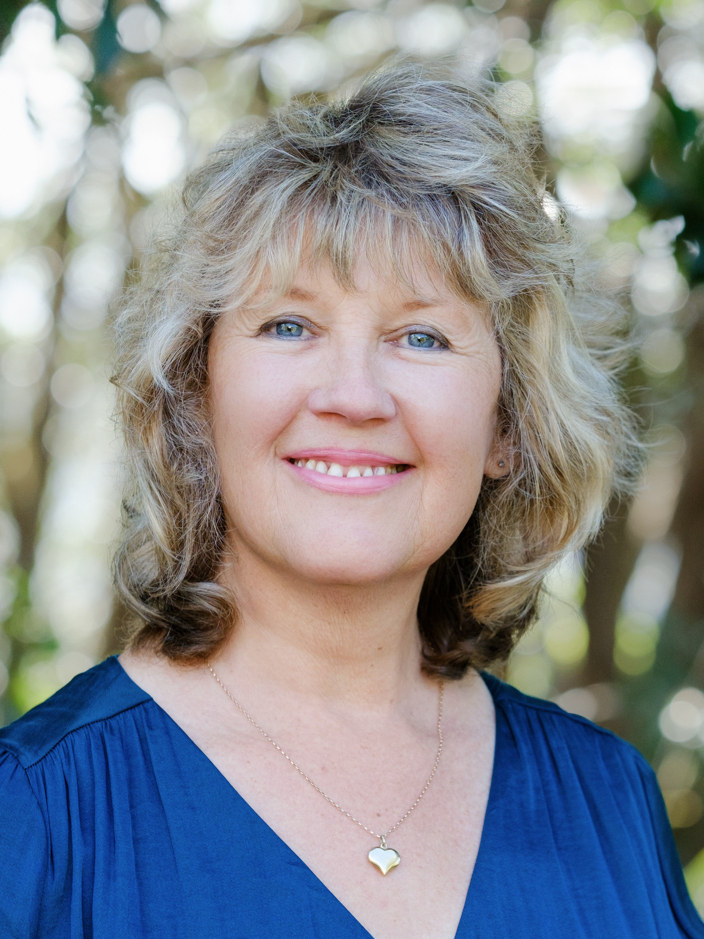
I’m Heather Todd, a Holistic Counsellor based in Wellington, New Zealand. I help people who want to heal from narcissistic abuse and reclaim their lives, throughout Aotearoa New Zealand, in Australia and beyond. I provide a safe and supportive space where healing can happen.
Healing from narcissistic abuse takes time, but you don’t have to do it alone. Together, we gently work to help you:
- Rebuild your self-esteem and confidence to rediscover your inherent worth and strengths
- Process and release trauma so you can gently confront and heal from past abuses
- Establish healthy boundaries and learn how to protect your emotional and mental well-being
A compassionate and tailored approach
I combine a range of evidence-based techniques with a compassionate, personalised approach to support meaningful change and recovery.

Clinical EFT (Emotional Freedom Techniques)
A proven, evidence-based method that helps calm the nervous system and process the emotional impact of controlling or manipulative relationships. It can be especially helpful for reducing rumination, emotional reactivity, and persistent self-doubt.

HeartMath techniques
Simple, science-backed strategies that help regulate your nervous system and bring emotional balance. They support your nervous system to settle, making it easier to feel present when your mind feels busy or overwhelmed.

Energy psychology
An integrative approach that helps you understand and work through emotional experiences using mind-body awareness and evidence-informed techniques that support lasting change.
You don’t have to do this alone
Healing from narcissistic abuse takes time, but you don’t have to do it alone. You don’t have to keep feeling stuck, confused, or exhausted.
There is a way forward, and I’m here to walk alongside you as you begin to rebuild your sense of safety, confidence, and self-trust. Online counselling and therapy sessions are available across New Zealand and Australia, with international sessions available by arrangement.
Book your free 15-minute consultation
Let’s talk about what’s going on for you and whether working together feels like the right next step.
